Warning: Undefined variable $num in /home/shroutdo/public_html/courses/wp-content/plugins/single-categories/single_categories.php on line 126
Warning: Undefined variable $posts_num in /home/shroutdo/public_html/courses/wp-content/plugins/single-categories/single_categories.php on line 127
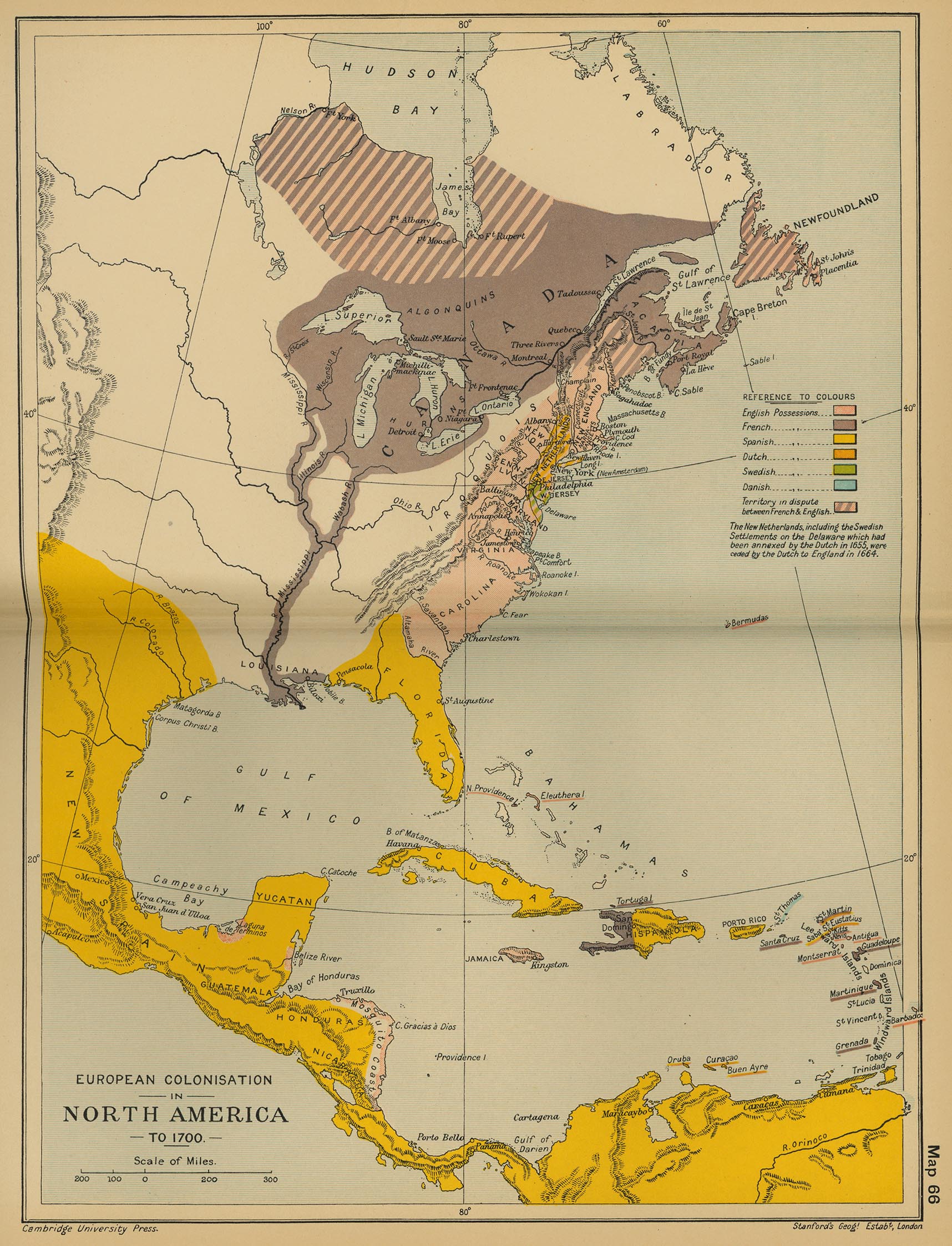
In Chapter 11 of American Colonies Taylor discusses the life of the colonists and the beginnings of the Carolina colonies. Carolina was started in defiance of the Spanish, a way for the English to try and assert their dominance. Taylor made an interesting point about how back in 1607 the English had to hide their colonies but then in 1670 when Charleston was founded they did it to challenge the Spanish and show that they were no longer scared. This was bold but also somewhat foolish and the Lord Proprietors found themselves needing to grow in numbers quickly. To do this they promised freedom of religion and large portions of land to draw settlers to come to Carolina.
Originally Carolina was under the control of 8 Lords Proprietors. It became apparent to the colonists living in Carolina though that these 8 men were not well suited to be leading the colony. The Lord’s Proprietors weren’t able to effectually lead the people and didn’t have any power in the colony. After they lost their power changes were made to the colony, such as a state sponsored religion and soon there was a revolution. The revolutionaries decided they wanted the crown to control them, so in 1729 the crown bought out 7 of the 8 Proprietors
Slavery was also a large attraction for plantation owners in the Carolinas. The Lords Proprietors promised the plantation owners total power over the slaves. After the Stono Rebellion, which was brought up in a previous post here http://sites.davidson.edu/his141/contrasting-slave-systems-in-colonial-america-inhuman-bondage-ch-6/, the slave owners became much more strict in their dealings with the slaves. Rice was the large cash crop of the region and this demanded numerous workers. Because of the large amount of slaves, the owners lived in constant fear of rebellion. Taylor makes this point using a quote from a slave owner about how they wished their slaves weren’t so dangerous and cumbersome.
Taylor also mentions Georgia in this chapter but he glazes over it. They were the colony that no one really wanted to be a part of but it was necessary. This is how Taylor portrays it. He does try to make the point that it is not the hoodlum colony that many people in modern times have made it out to be but it is still used primarily as a place for beggars and dissenters and as a buffer zone to stop slaves from fleeing into Florida as easily.