“She walked More Like a Man than a Woman”


Warning: Undefined variable $num in /home/shroutdo/public_html/courses/wp-content/plugins/single-categories/single_categories.php on line 126

Warning: Undefined variable $posts_num in /home/shroutdo/public_html/courses/wp-content/plugins/single-categories/single_categories.php on line 127

“Is sickness or carrying disease one of the situations in which most Americans can accept depriving people of their liberty?” This question posed by Judith Walzer Leavitt in her introduction serves as a basis for her underlying argument throughout the book. For my chapter I’ve chosen to read, “She Walked More Like a Man than a Woman”, which reviews how Mary Mallon was categorized based on social stigmas. The prejudice of her race and the social expectations of a woman played a critical role in the ultimate decision of how to handle the case of Mary Mallon.

John Marsh brings up an interesting point when considering the isolation of Mary Mallon as a disaster and comparing that to the pitfalls of the Gilded Age. As John points to the infallibility of science, it can also be directed at the people who were involved in the Public Health Services, notably George Soper. As an upper level official he strongly believed in the dangers of carriers of typhoid (more specifically women) and was destine to search for the answer. His high status in society compared with Mary Mallon’s lower-class immigrant status provided a critical disconnect that made Soper unable to relate to Mary and vice versa. This disconnect served as a major contributor to the lack of sentiment Soper felt for Mary, and was a factor in her ultimate sentence.

It is true that women during the Gilded Age  were stuck in a domestic role and their opportunities for jobs were limited. Mary Mallon epitomized this dilemma because she  worked as a chef for higher class families. Soper targeted her as a carless woman and blamed working class women domestics for spreading the bacteria. The way that George Soper depicted Mary Mallon served as both an understanding as to why she was unjustly isolated in the first place in accordance with basic prejudices during this time.

As a single Irish female over the age of 40, these added up for the perfect combination to discard Mary Mallon from society. I want to briefly question the argument that Leavitt adds toward the end of this chapter. While Leavitt goes on to give more examples of Soper’s judgment of Mary, she concludes her argument by trying to compare German-born Frederick Moersch to Mary’s case. Leavitt loses some strength in her argument because she tries to overstretch a comparison that I feel is unnecessary to her initial arguments. Leavitt speculates many factors in the case of Moersch that she was unable to find factual backing for.

I look forward to discussing other thoughts on comparing Mary’s case to those of the opposite sex, and if others found her comparison helpful or hindrance on Leavitt’s objective to prove how gender, race and class lead to Mary’s ultimate isolation.

Mary Mallon’s Forced Isolation as a Typical Gilded Age Disaster


Warning: Undefined variable $num in /home/shroutdo/public_html/courses/wp-content/plugins/single-categories/single_categories.php on line 126

Warning: Undefined variable $posts_num in /home/shroutdo/public_html/courses/wp-content/plugins/single-categories/single_categories.php on line 127

For my chapter I’ve chosen to read “Extraordinary and Even Arbitrary Powers,” which discusses Mary Mallon’s place in the history and role in evolution of public health policy. I was especially motivated to examine this chapter because it seemed to be somewhat of a departure from the more culturally grounded historical approach I’ve been taking in my project.

Ironically, I found the chapter to be especially interesting due to its cultural implications. It informs an understanding of Gilded Age culture’s conduciveness to disaster. More specifically, the isolation of Mary Mallon, if considered a disaster, demonstrates the pitfalls of the Gilded Age belief in the infallibility of science, or scientific method, to solve any problem. If I remember correctly, this concept been discussed in quite a few class discussions and likely some blog posts.

This way that this belief in the infallibility of science contributed to Gilded Age disasters is seen in the Galveston Hurricane and the city planners’ refusal to appreciate the environmental dangers of the city’s location, the “unsinkable” Titanic, and faith in the damn overlooking Johnstown.

As argued in “Extraordinary and Even Arbitrary Powers,” Mary Mallons capture and subsequent isolation can be viewed as a manifestation of the belief that it was possible for humankind to conquer disease. This was due to the confidence brought about by rapid scientific advancement, particularly in the field of bacteriological studies. By choosing to ignore Mallon’s constitutional rights and freedoms for exclusively scientific reasons, the New York City Board of Health and, insomuch as it tolerated this injustice, society on the whole, allowed a belief in the exclusive ability of science to better society to supersede the constitutional rights on which this very same society was founded. In the sense that dismissal of these constitutional rights was, or at the very least had potential to be, disastrous, Mary Mallon’s incarceration was representative of a Gilded Age disaster.

Watering a Wasteland: A Research Update


Warning: Undefined variable $num in /home/shroutdo/public_html/courses/wp-content/plugins/single-categories/single_categories.php on line 126

Warning: Undefined variable $posts_num in /home/shroutdo/public_html/courses/wp-content/plugins/single-categories/single_categories.php on line 127

In the past few weeks, I have worked to centralize the central topic of my proposal. My original idea was to analyze the collapse of the St. Francis Dam in the Santa Clarita Valley in Southern California within the context of the California Water Wars of the early twentieth century. However, as my research advanced, I decided to focus my topic on the Water Wars themselves as a disaster, analyzing how urbanization and city politics affected the irrigation of water sources in the Los Angeles area. The Water Wars, which began over a hundred years ago, continue to influence water politics in Southern California, creating animosity between urban and rural interests. I hope to focus my proposal on how farmers and ranchers, who had been largely starved of water for their agriculture and animals, responded (both legally and illegally) to the Los Angeles Department of Water and Power’s continued attempts to syphon water from the Owens Valley, particularly in the 1920s. I have found great secondary sources that researched how rural communities mobilized to combat the LADWP officials, both in the courts and in the countryside. I continue to look for primary sources that can both detail how the urbanization of Los Angeles affected the distribution of water to farms and ranches, as well as how LADWP officials justified their expanded allocation of resources. On the whole, I hope to use Los Angeles as a case study of how unsustainable urban development can lead to cities being drains on resources and malignant forces on the environment as well as surrounding communities.

NYTimes piece on Loma Prieta


Warning: Undefined variable $num in /home/shroutdo/public_html/courses/wp-content/plugins/single-categories/single_categories.php on line 126

Warning: Undefined variable $posts_num in /home/shroutdo/public_html/courses/wp-content/plugins/single-categories/single_categories.php on line 127

Here’s a link to the full piece, which more fully explores earthquake preparedness.


Research Update*


Warning: Undefined variable $num in /home/shroutdo/public_html/courses/wp-content/plugins/single-categories/single_categories.php on line 126

Warning: Undefined variable $posts_num in /home/shroutdo/public_html/courses/wp-content/plugins/single-categories/single_categories.php on line 127

I am examining the San Francisco earthquake and fire of 1906, I hope to explore the effectiveness and success of relief and recovery efforts in the aftermath of the calamity, while also looking to uncover the social implications that the disaster had on the people of San Francisco. So far I have found some powerful narratives and articles that are assisting me into gaining an understanding of what life was like in the direct aftermath of the disaster. There have also been publications of articles written in some months after the disaster analyzing the impacts of the relief and recovery efforts. I have also found some interesting novels that question the equality of relief and recovery efforts in different classes! Now looking to compile all my sources together so that they are cohesive.


The Rigorous Spirit of Science


Warning: Undefined variable $num in /home/shroutdo/public_html/courses/wp-content/plugins/single-categories/single_categories.php on line 126

Warning: Undefined variable $posts_num in /home/shroutdo/public_html/courses/wp-content/plugins/single-categories/single_categories.php on line 127

I chose to read the first chapter of Typhoid Mary, “The Rigorous Spirit of Science: The Triumph of Bacteriology,” in addition to the introduction, for a myriad of reasons.  Firstly, I hate picking up a book mid-way through, and having to figure out for myself what went on in the previous chapters.  More importantly for my research, this chapter dealt with the larger ideas and views of disease in the late 19th and early 20th centuries.  While this predates my research on the Spanish Influenza, it provides vital information about the state of public health infrastructure leading up to the pandemic.

The Rigorous Spirit, chapter one of Leavitt’s book, traces the development of science, bacteriology, and the way that disease was handled at the turn of the 20th century.  She outlines the development of the germ theory of disease and the way that it affected the way that public health was addressed in the US, notably by a shift away from physical duties (street cleaning, sewage systems) and to a system centered on laboratory research (trying to isolate and find cures for various diseases).  She goes on to outline in broad terms the life of Mary Mallon, the so-called ‘Typhoid Mary’ of popular culture today.

Leavitt’s book opens much like Gina Kolata’s Flu: The Story of the Great Influenza Pandemic of 1918 and the Search for the Virus that Caused it, a book a reviewed earlier in the semester for this class. This similar opening of both books encourages a discourse between them, which upon closer inspection are strikingly similar:  they focus on a medical disaster and society’s attempt to contain and explain it.   What other links can we draw between these two disasters, less then 15 years apart, and what can we learn from these links?

AJ’s post is thought provoking.  Looking at the items offered for sale at the auction, I can’t help but think about the people behind them, and the tragedy that made a piece of wood worth $100,000.  We can find out so much about the Titanic passengers from these items, and this value is lost when they are put in private collections, away from public view.

Auction Time!


Warning: Undefined variable $num in /home/shroutdo/public_html/courses/wp-content/plugins/single-categories/single_categories.php on line 126

Warning: Undefined variable $posts_num in /home/shroutdo/public_html/courses/wp-content/plugins/single-categories/single_categories.php on line 127

After class I began to do a little digging into our comments on why people reenact the Titanic, why people buy some of the items recovered from the ship wreck, and reversely the reactions towards these reenactments and purchases of those who have been truly affected by the Titanic. Most of us in class talked about the reenactments and all the hype still surrounding the Titanic at people marveling over its pop culture significance or the lure of tragedy or even the need to remember a historical event that changed the world; all these points are valid as well as the argument that people with money just love to buy things that represent status, wealth and history. So from there I figured I would check into the latest auctions that have been held to sell items found from the lost ship and see what answers that may bring. After looking into a 100 year anniversary auction from 2012 and the big auction coming up this month, I found a few things that I felt deserved to be posted about.

Before I go on, I have to comment on the post professor Shrout put up of Jack Dawson because the Halifax gravesite where many who died at sea are buried is still a sore subject for many whom live in the maritime city on Canada’s eastern coast; the closest major port to the wreck. In the CBS News article in 2012 by Ben Tracey, he speaks to this sadness and explains that the connection to the Titanic for Halifax is much more personal. It reads, “209 bodies of the victims were recovered and brought back to the city. 150 were buried in cemeteries around town. Each headstone shares the same infamous date.” He talks to a woman named Blair Beed whose grandfather worked the funeral home where the bodies of the Titanic where identified and she claims, “When you walk among the graves and stand in front of the grave of a housewife and listing the four children who were lost in the sinking with her, I think that’s the real story.” (http://www.cbsnews.com/news/upcoming-auction-of-titanic-items-sparks-debate/)  We may tend to forget as a society, when the popular culture aspect surrounds the Titanic story as it did when the film came out, that the real stories are the ones that will never be told. As CT mentioned in class, these stories will likely never be uncovered and that is the true tragedy behind the sinking of the ship.

The other thing I came across that I thought should be shared appeared 4 days ago in an article from the Mail Online by Matt Blake and Sophie Jane Evans called “’Unthinkable’: The chilling hand-drawn building plan used to explain how Titanic met its fate one of hundreds of artifacts to go under the hammer.” Now read that title again. A hand-drawn building plan of how and why the ship sunk? This is an incredible piece of history and vital to piecing the story of the Titanic together that will be put up for auction along with 239 others items from the ship in this month’s RR Auction in Boston. (http://www.dailymail.co.uk/news/article-2597005/Will-write-later-sail-Hundreds-Titanic-artifacts-auction-including-final-postcard-sent-heroic-radio-officer-worked-tirelessly-send-wireless-distress-messages-ship-sank.html)  This particular item I thought would be interested to put up on the blog as it is a hand-drawn building plan prepared exclusively for official British enquiry with illustrations showing why the Titanic sank after hitting the iceberg. Something pretty cool, maybe we should bid!

Research Update: Long Term Effects of the Spanish Influenza


Warning: Undefined variable $num in /home/shroutdo/public_html/courses/wp-content/plugins/single-categories/single_categories.php on line 126

Warning: Undefined variable $posts_num in /home/shroutdo/public_html/courses/wp-content/plugins/single-categories/single_categories.php on line 127

I am examining the long term effects of the Spanish Flu.  My research is progressing quite nicely, although I have not had quite as much time to devote to it as I like.  I have found some great narrative histories to complement the plethora of primary source documents on influenza archive.org.  However, I haven’t found many scholarly secondary sources.

Historical memory of the Titanic


Warning: Undefined variable $num in /home/shroutdo/public_html/courses/wp-content/plugins/single-categories/single_categories.php on line 126

Warning: Undefined variable $posts_num in /home/shroutdo/public_html/courses/wp-content/plugins/single-categories/single_categories.php on line 127

Jack Dawson wasn’t a real person, so he doesn’t have a real grave, but a gentleman named Dawson did die on the Titanic.  This is his grave, in Halifax:

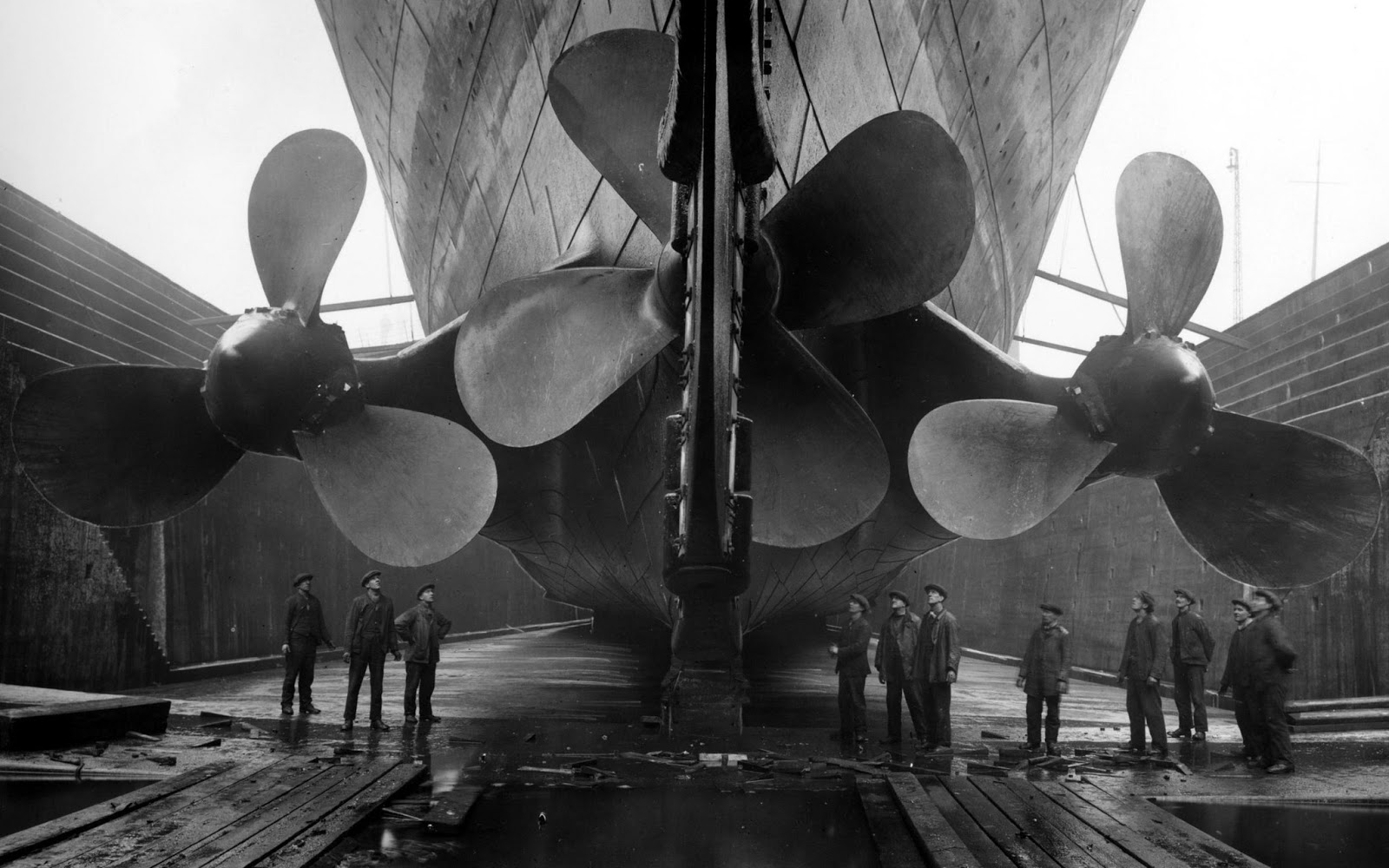
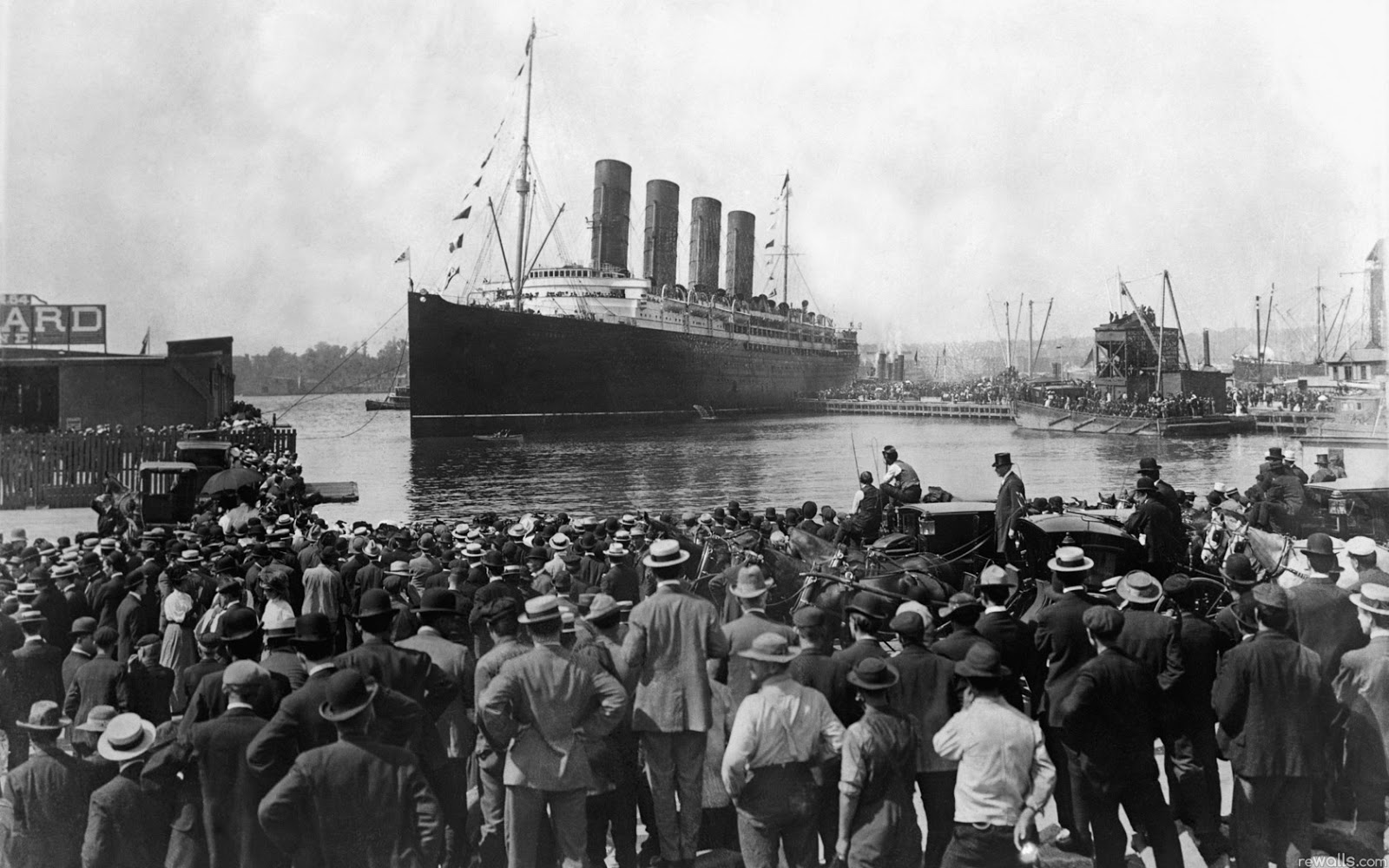
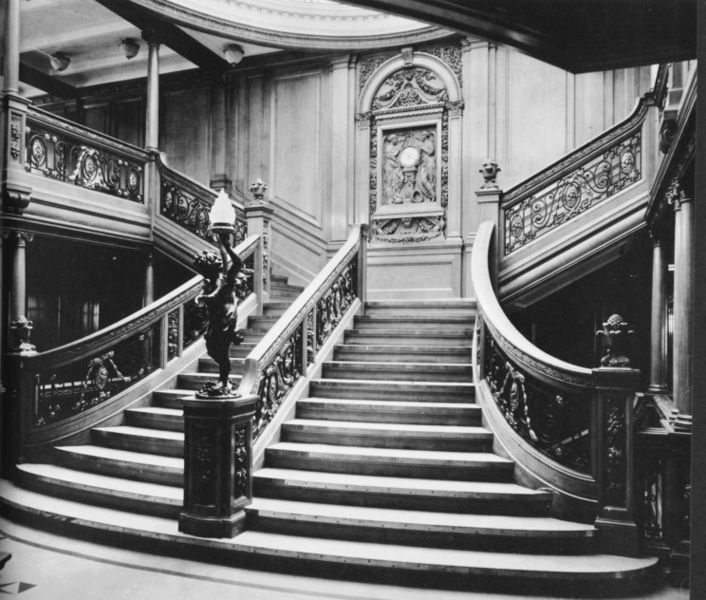
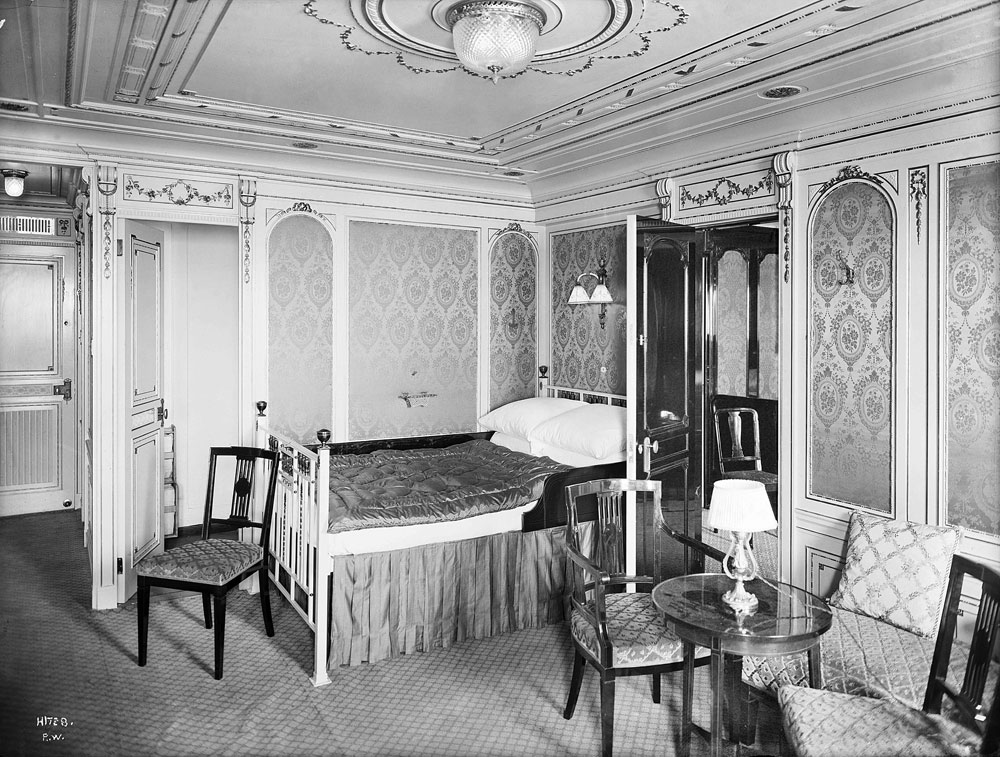
Some other Titanic images:

Commemorating the Titanic


Warning: Undefined variable $num in /home/shroutdo/public_html/courses/wp-content/plugins/single-categories/single_categories.php on line 126

Warning: Undefined variable $posts_num in /home/shroutdo/public_html/courses/wp-content/plugins/single-categories/single_categories.php on line 127

Steven Biel’s discussion on the ways in which the Titanic disaster was commemorated in the years and decades afterwards illustrates how people will inevitably manipulate disasters to their own agenda. Annelies also built upon this argument in her blogpost.  As we saw in the first section of the book,  feminists and other groups manipulated the narrative of heroism to support different social and political agendas after the disaster.

In the next section of the book, Biel discusses the ways in which the Titanic was commemorated. Through his discussion, it becomes clear that the Titanic grew to symbolize and fill the roles that people needed it to. Through the thirties some interpreted the disaster as proof that traditional gender roles and the doctrine of separate spheres should be maintained. Another conservative narrative that evolved out of the disaster interpreted the Titanic as a symbol of everything that was wrong with modernity. Biel states:


“The disaster, then, continued to do important, if sporadic, cultural work, from reminding men and women of their proper roles and responsibilities at the onset of the Depression to asserting racial equality and exposing racial injustice…” (Biel 139).

We can see this common theme of the manipulation of narratives after disaster stretch across all of the disasters we have studied. McCullough used the Johnstown flood to illuminate the disparity in wealth and the effects of unequal distribution of economic power. Likewise, with the San Francisco earthquake, we can see that ways in which middleclass businessmen and politicians manipulated the narrative to fill their economic and political agendas.

These disasters and the various ways in which they were commemorated suggest the heavy hand people have in the definition of disaster. In many ways, facts are never facts, as they will always be manipulated, intentionally or not, to fill an individual’s narrative. These unique narratives are what give each disaster meaning within the context of the time and what dictates the vivacity with which each individual disaster is remembered.