Historical memory of the Titanic


Warning: Undefined variable $num in /home/shroutdo/public_html/courses/wp-content/plugins/single-categories/single_categories.php on line 126

Warning: Undefined variable $posts_num in /home/shroutdo/public_html/courses/wp-content/plugins/single-categories/single_categories.php on line 127

Jack Dawson wasn’t a real person, so he doesn’t have a real grave, but a gentleman named Dawson did die on the Titanic.  This is his grave, in Halifax:

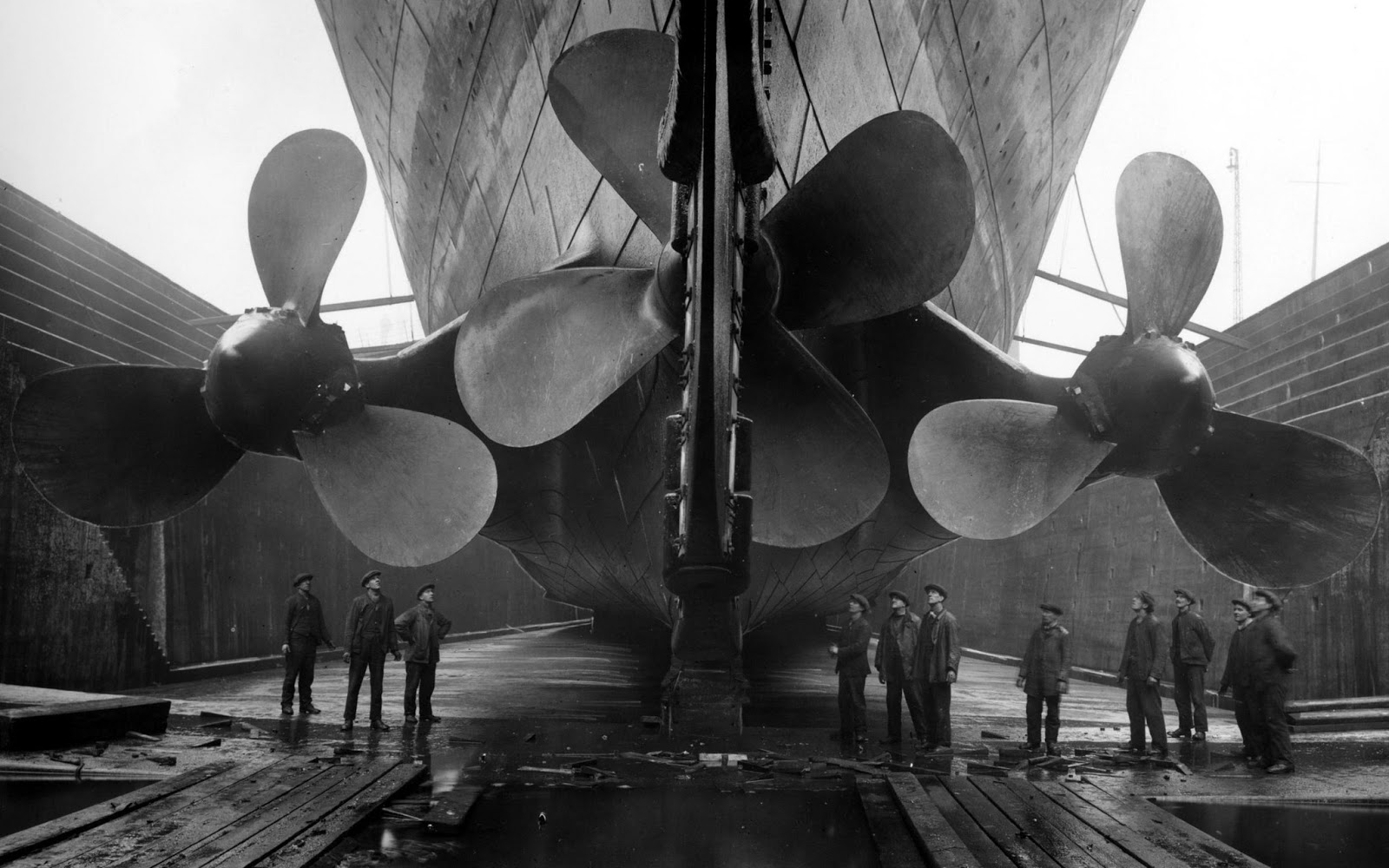
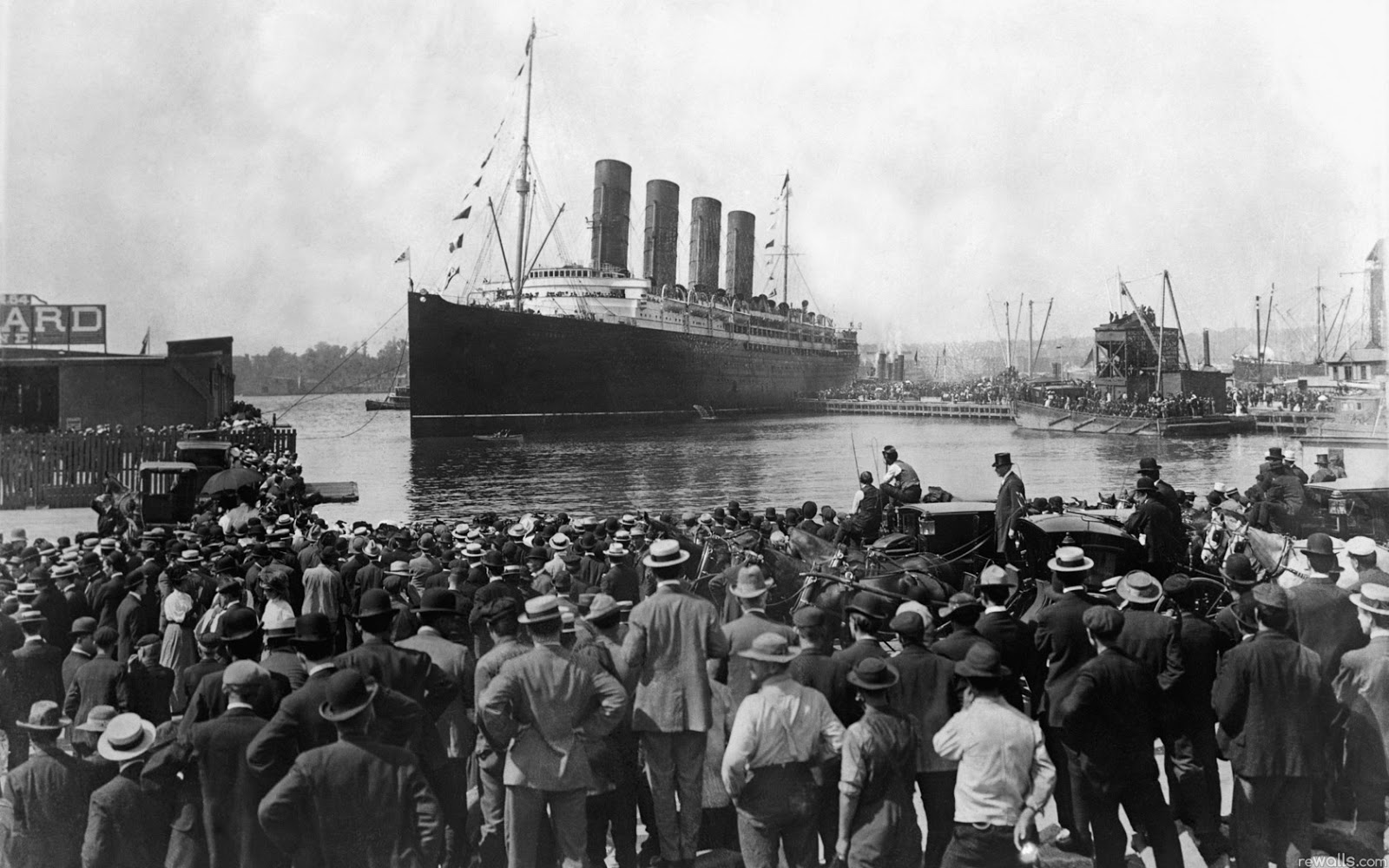
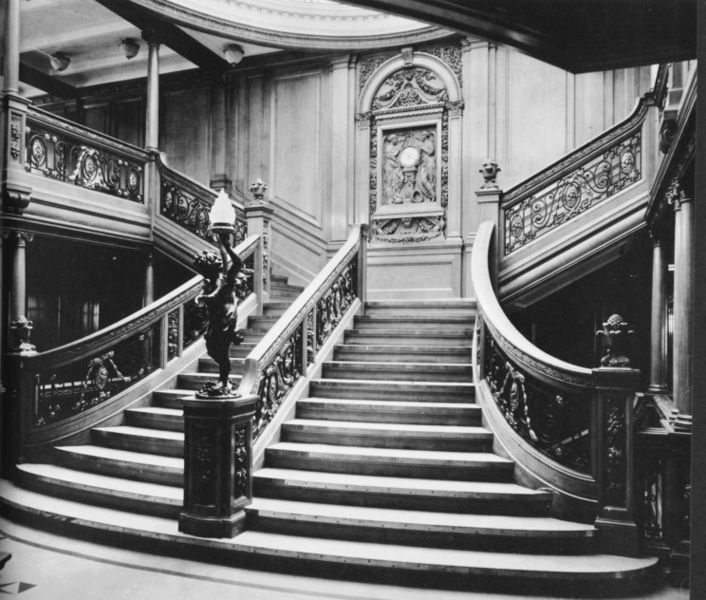
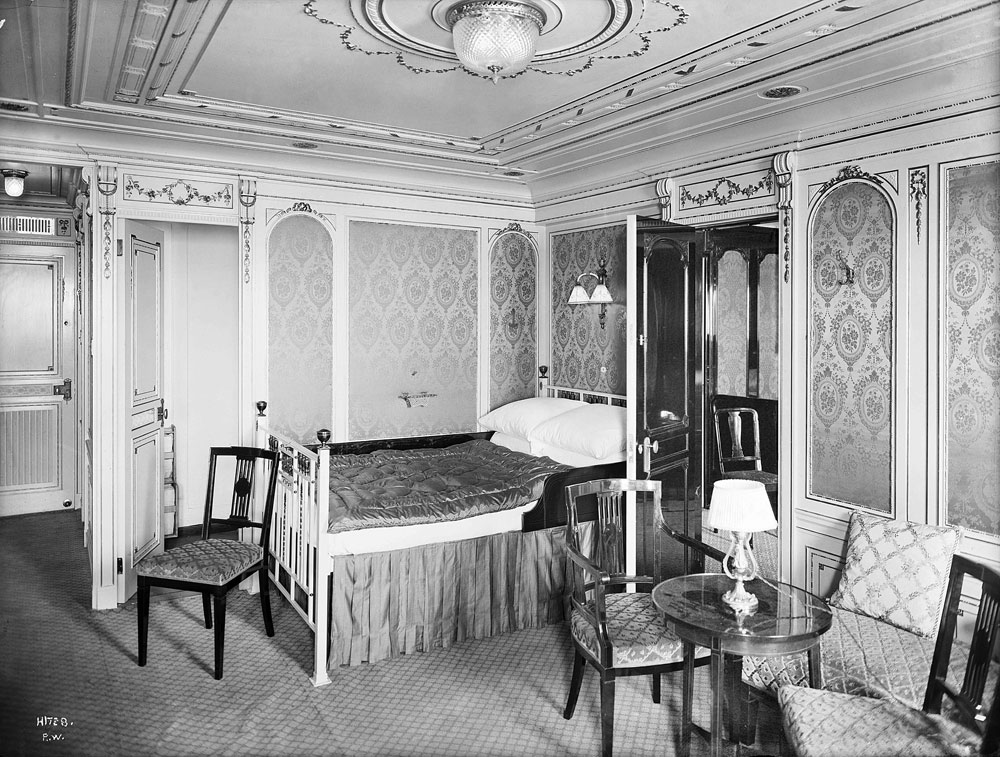
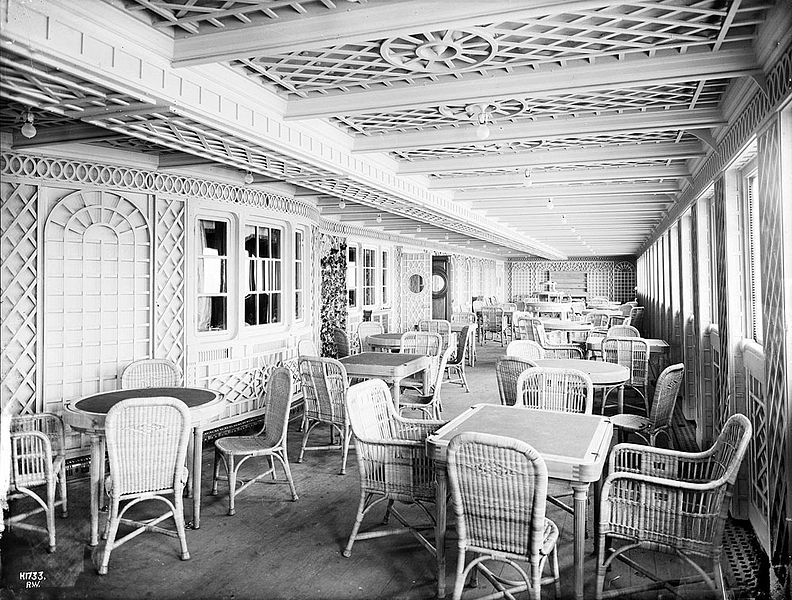
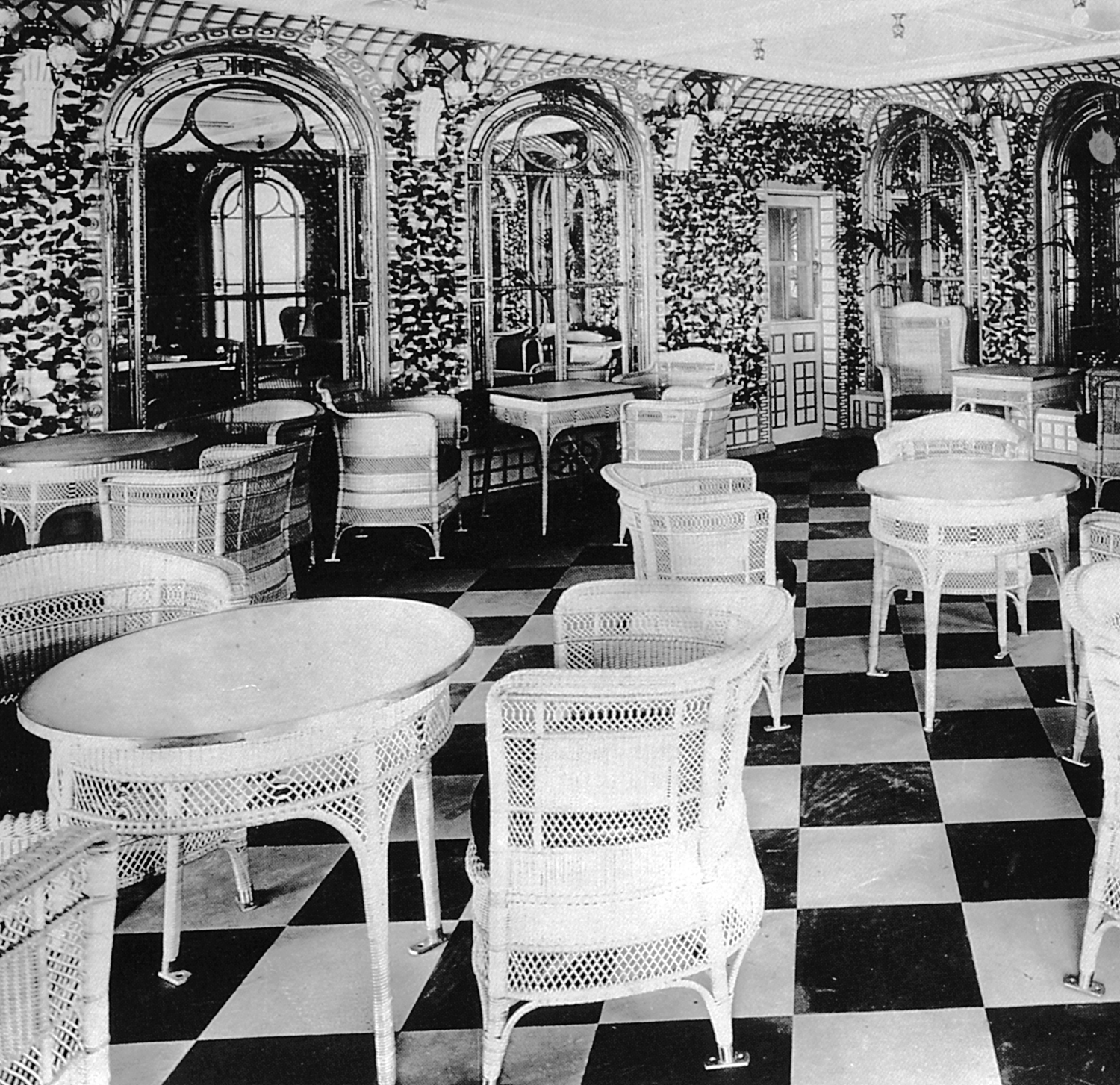
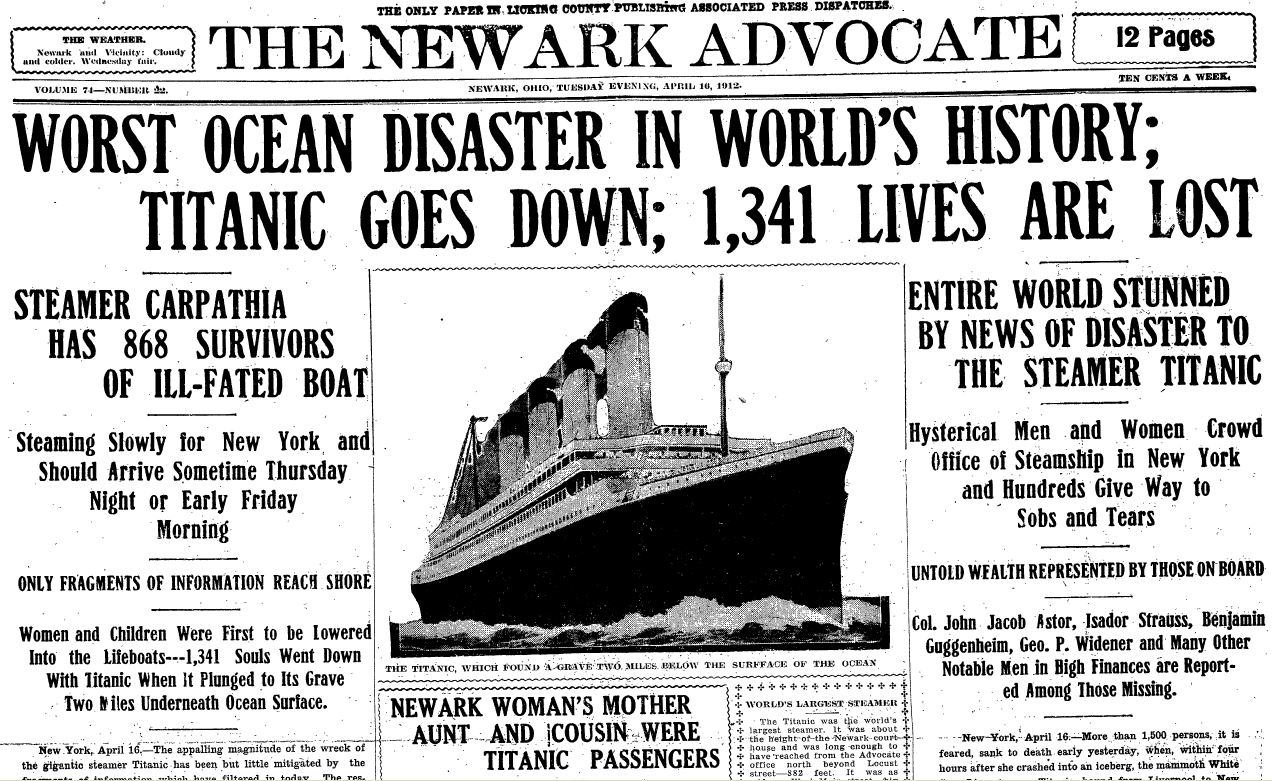
Some other Titanic images:

A Distorted Disaster: The Titanic’s False Memorialization


Warning: Undefined variable $num in /home/shroutdo/public_html/courses/wp-content/plugins/single-categories/single_categories.php on line 126

Warning: Undefined variable $posts_num in /home/shroutdo/public_html/courses/wp-content/plugins/single-categories/single_categories.php on line 127

In the 1950s and 60s, the world had just suffered what are, arguably, the two greatest disasters in history: World War II and the Holocaust. However, this period is notable in America for its obsession with the Titanic disaster, with the wide popularity of the book A Night to Remember and the growth of the THS (Titanic Historical Society). The juxtaposition of these events is hard to imagine: a global war that took the lives of tens of millions against a relatively small tragedy that claimed just over one thousand. Nonetheless, Steven Biel uses the word nostalgic quite deliberately in the second half of Down with the Old Canoe to describe enthusiasts. Like AJ notes, Americans in the post-war world felt as though they were losing track of their values in the era of “women’s lib” and the end of “the Edwardian Age” (171). They sought to replicate the chivalry and noblesse-oblige that had “disappeared” in years since. (147) The problem is, would any of these enthusiasts with Titanic nostalgia actually put themselves on the boat if they had the chance? Biel doubts it. Then what is the root of this fascination? I believe that it is a distorted memorialization of the disaster. When the iceberg hits, the enthusiasts loved to think that the rich and powerful gladly accepted their fate for the sake of women and children. In reality, however, they were just following protocol.

Like  many other disasters, the Titanic gives us a unique insight in deeper human nature. This is why we find disasters fascinating, why billionaires attempt to replicate the journey, and why James Cameron is a household name. When the barriers of order and class are broken down, we can get a glimpse of true human character. On the Titanic, the face of fate and death, the men stepped aside and allowed the saving of women and children. Chivalrous, right? This is the common distortion of the Titanic’s final voyage. Biel’s sources focus on modern perceptions of the disaster, from prominent novelists and filmmakers to “buffs” who are well researched on the subject. Many enthusiasts, from teachers to novelists to soldiers, formed the Titanic Historical Society to emphasize the “devotion to duty” and manhood of the Titanic’s fallen passengers. (190) However, I believe it is false to associate the saving of women and children with male chivalry. The policy was already established- women and children first- so that men were not give the choice themselves in times of crisis. The decision was not theirs to make, and, for the most part, they followed this protocol. But is that necessarily chivalrous?

To Biel, the use of the Titanic as a display of Victorian character has subsided in recent decades. References to the ship have largely become either political cliches or anecdotes about James Cameron. But the “democratic grave” at the bottom of the ocean continues to fascinate us (45). According to Biel, there’s deeper themes to be found in the Titanic disaster than just “overconfidence in technology” or “the mistake of arrogance”. (217) It’s the revelatory power of the disaster into human nature that keeps us wanting more.


Sunken Ammunition


Warning: Undefined variable $num in /home/shroutdo/public_html/courses/wp-content/plugins/single-categories/single_categories.php on line 126

Warning: Undefined variable $posts_num in /home/shroutdo/public_html/courses/wp-content/plugins/single-categories/single_categories.php on line 127

As we discussed in class, this novel by Stephen Biel, a professor of writing at Harvard, deals not with how the Titanic went down and the details of its backstory but rather with the disaster as a cultural icon and how it has been used to address and promote all different kinds of ideological positions and issues. After getting through the first half of the narrative which illustrates the immediate reactions to the actual sinking of the ship; for example, the feminist and anti-feminist fight over the meaning of the protocol “women and children first” and whether or not it reflected chivalry or some other sort of stab at women. The second half of the book tags along with the first half and continues to speak of how different groups of people used the Titanic’s wreck as ammunition to prove several of their own theories, as well as, shine light and examine how the Titanic has been preserved over the years in several unique fashions.

Biel lays out for us many of the groups that used the Titanic as a means to address issues of the day. For instance, socialists, he claims used the sinking to attack the excesses of capitalism or the suffrage movement used it as a rally cry for support for the passing of the 19th Amendment as suffragists linked the sinking of the ship to God’s wrath. Biel continues to document how the Titanic was preserved and used as a platform by different groups to advocate and oppose things such as women’s suffrage, immigration, technology and safety protocol, disaster prevention, mainstream religion movements, civil rights activism and other issues of the day. He discerns that everyone found some sort of ammunition from the failure of the Titanic from poets, preachers and writers to reformers, racists and suffragists. One example in particular I found bold was, “I suggest, henceforth, when a woman talks women’s rights, she be answered with the word Titanic, nothing more—just Titanic,” wrote a St. Louis man to the St. Louis Post-Dispatch (Biel, Down with the Old Canoe).

Continuing with the other part of the second half of the work, Biel discusses how the story has been preserved through other means in which he examines films (Nazi propaganda movie), novels (ex. Danielle Steel), interestingly music (Bob Dylan, African toasts and calls, working-class ballads against the rich) and also spends a good time on Walter Lord’s A Night to Remember, as a combination of the book, TV show and film. I cant comment per say on the sources he utilizes because I have no familiarity with them and I believe that may be answered in our discussion in class, however, I do think that the strength of this well-researched book is precisely the presence and analysis of these poetry, songs, books, films, and cartoons illustrating the different aspects of American life that were affected by the Titanic or felt the need to use the Titanic as a means to some end. As we talked about in class, Biel doesn’t really give you a detailed lead up or background of the Titanic but I think he makes up for that with his writing skills and the usage of these attachments as a powerful claim that maybe even more important than the wreck itself, was the ways it was put to use by certain advocacy groups trying to promote the Titanic as a link or ammunition to their cause. I think amcarter is right when she says that the Titanic’s second wave is addressing the anxiety and culture shifting that is taking course. People are scrambling to use this as a device to get ahead.

Challenging Nature: Southern California and the Subsidization of Disaster


Warning: Undefined variable $num in /home/shroutdo/public_html/courses/wp-content/plugins/single-categories/single_categories.php on line 126

Warning: Undefined variable $posts_num in /home/shroutdo/public_html/courses/wp-content/plugins/single-categories/single_categories.php on line 127

“And the mountains erupt, and the valley is sucked into cracks in the earth.”

There’s just something so incredibly ominous that permeates throughout the city of Los Angeles. Just yesterday, the nation’s second-largest city was ranked ninth by the Guardian in its list of the world’s highest-risk cities. Los Angeles’ location as a city is neither ideal nor safe. The city is built on the San Andreas Fault in a valley thickened by smog. L.A.’s lack of inherent water sources forced it to dry out the surrounding countryside through irrigation projects in the early 1900s, leading to lower rainfalls and rural drought (22). Mike Davis’ Ecology of Fear: Los Angeles and the Imagination of Disaster attempts to determine why and how so many people populated a region so vulnerable. To Davis, shortsighted magisterial and economic decisions have put tens of millions of citizens at risk from earthquakes, drought, floods, wildfires, and a host of other disasters.

While Davis does not document a Gilded Age disaster, he argues that many policies adopted during the era had lasting impacts. Because the city had low seismic activity during its expansion period, urban planners had no idea that there would be more than 50 active faults underneath the city (27). The biggest problem of the age was the water supply, which city officials remedied by syphoning off water from rural rivers and lakes into aqueducts for the city (more research to come on that soon!). As a result, farmers and ranchers were dried out of their land and forced to move into the increasingly dangerous city limits (21). Economic interests were not deterred, but rather emboldened, by the possibility of disaster. The boosterism of the Gilded Age (as noted by Rozario) merely encouraged homeowners and businesses to rebuild right exactly where they were whenever disaster struck.

Like Dan noted earlier, L.A.’s short-term economic offerings always seemed to surpass its natural dangers for potential residents. Anyone who observes Davis’ sources would cringe at the thought of moving to Southern Cal: just look at the rainfall totals, the witness accounts of people “sucked into deadly vortices,” or the monetary damage of the floods, fires, and earthquakes in the last century (5). However, the city fortified itself ecologically, economically, and culturally as a city too big to be abandoned. In Ecology of Fear, Davis makes a vital argument against the economic systems that incentivize hazardous urban planning. L.A., a glaring example of the practice, is indeed a city challenging nature. At this very moment, it waits patiently and ominously for nature to respond to its defiance.

“L.A., uptight, city in the smog… Don’t you wish that you could be here too?”

How can you be so obtuse?


Warning: Undefined variable $num in /home/shroutdo/public_html/courses/wp-content/plugins/single-categories/single_categories.php on line 126

Warning: Undefined variable $posts_num in /home/shroutdo/public_html/courses/wp-content/plugins/single-categories/single_categories.php on line 127

After reading these articles by Steinberg and Davis, I no longer want to live in California. At least with hurricanes, tornadoes, and other natural calamities, modern technology provides us with at least some warning. A simple Google search confirmed my belief that scientists have yet to develop a warning system for earthquakes. Let’s get on that science.

We have, however, developed ways to reduce the damage caused by earthquakes. Even back in the early 1900s, there were at least some protective measures available for implementation. Following the destructive 1906 earthquake in San Francisco, one would think that the local government would try to make the city as safe as possible.

The reactions from Galveston and San Francisco following their respective disasters are polar opposites. The hurricane shattered Galveston’s ignorant view of safety from devastating storms. As such, the city did something to improve their chances against another possible storm by creating a sea wall and elevating the city. Mazel Tov, the modifications worked quite well fifteen years later. The earthquake in San Francisco, however, entrenched the city’s belief that earthquakes did not cause extensive damage. Instead, the local government focused on the fire as the main source of concern. Local government in San Francisco enacted a “Wind Bracing” ordinance to their building code. As Steinberg points out, this language was probably chosen deliberately to remove any mention of earthquakes. Earthquakes later on showed the ignorance regarding the building codes to be detrimental, especially to tge schools. Both cities were vying for economic dominance in their areas, but Galveston decided to make their city safer to encourage businesses to rebuild. San Francisco sought to sweep the problem under the rug, as Jean, Betsy, and Sherwood all aptly claim, to protect future business relations. This decision was incredibly ignorant, selfish, and irresponsible. Even the slight modifications that the city made to its building code were soon undermined to pursue cheaper building construction.

I think it’s pretty comical how a small earthquake in Canada sparked the recognition of earthquakes by insurance companies. My favorite line in Steinberg’s article relates to the insurance companies: “Thousands of Californians were putting up their own hard-earned money to protect themselves against a risk the business class had once said did not exist.” Furthermore, the Great Depression combined with the movie San Francisco forced California to acknowledge a natural problem with its geography.

Even today, citizens are testing the government’s safety mandates by making the government enforce its stricter and more expensive building codes. Alluding to arguments made by Davis, the climate may be destructive and on the brink of disaster, but the climate is why people move to California. It’s beautiful. Living near the beach carries risks of flood and hurricanes, but people take those risks to enjoy the beauty. Maybe the risk involved with living in these areas contributes to their beauty. To me, the cost of living in paradise should be higher than living in the desert of New Mexico or the plains of Arkansas.

Saving a sinking ship


Warning: Undefined variable $num in /home/shroutdo/public_html/courses/wp-content/plugins/single-categories/single_categories.php on line 126

Warning: Undefined variable $posts_num in /home/shroutdo/public_html/courses/wp-content/plugins/single-categories/single_categories.php on line 127

Patricia Bixel draws some interesting points in her discussion of the rebuilding of Galveston following the massive hurricane of 1900. The barrier island on which the city lays, “while magical places, are not necessarily appropriate for major human habitation.” I couldn’t agree more. However, it’s incredibly difficult to deny the draw of places like Galveston. While I’ve never been, I’ve experience other barrier islands like Key West, Hilton Head, and Topsail. So, I can understand why the citizens of Galveston were willing to fork over a substantial amount of money to “save” the city.

The methods chosen to save the city are worthy of the ultimate praise. While I’m no engineer, I can imagine that the construction of the sea wall, elevating an entire city, and dredging the bay were incredible feats. Notwithstanding these improvements were done over a century ago without modern technology that would make the process much simpler. As I was reading Bixel’s work, I thought that maybe the sea wall would be a little overkill and not building the wall would save the citizens some money. On many other islands, the protective measures taken do not include a concrete sea wall. The dunes act as a protective barrier and compliment the buildings being elevated on stilts. However, Galveston’s unique position being so close to sea level required that more drastic measures be taken. Bixel points out that without the sea wall, the sand used to elevate the city would simply wash away. Without elevating the city, the sea wall only protects against the blunt force of the waves, but would still permit flooding. These two measures work in conjunction to protect the city against further devastation. As proof of their effectiveness, Galveston witnessed another powerful storm in 1915 that caused much less damage and loss of life. However, the citizens continued to promote the hubris of the period by rejecting assistance from fellow Americans. This act of defiance was intended to show Galveston’s improvements and the citizen’s solidarity to encourage economic development that the 1900 storm retarded. They might not have been so arrogant, however, had they decided to follow the advice of the French colonel who advocated a battery be built to destroy the hurricane with artillery shells.

While Bixel makes good points, I think she also hampers the effectiveness of her article by briefly throwing in substantial points. Her inclusion of politics could be further enhanced. Yes, the wealthy white took over the cleaning up process and neglected African-Americans and those without substantial means, but how did this affect the rebuilding process? Was this a predecessor to Katrina’s rebuilding with similar consequences and racial tensions? What could have been different if all voices were heard instead of the wealthy businessmen? Maybe she would have to do some speculation, but it could be substantiated speculation with primary sources from people who felt left out. I can speculate that these people were so devastated by the storm’s destruction that they may not have cared as much as Bixel seems to think. These people may have just wanted the city returned back to normalcy and who better to do that than those who built the city? Galveston initially developed because businesses were attracted by the deep bay, so why shouldn’t businesses be in charge of the rebuilding? Playing devil’s advocate, the deprived may have been upset by their lack of voice. They might have complained privately in diaries and letters, or publicly in the newspapers. I don’t know, but I’m not paid the big bucks to write articles either. I would have appreciated a more inclusive picture by Bixel if she’s going to bring these issues up in her article.

Becky, excellent point about Galveston’s future. Love the extra research.

Waitin on a Sunny Day


Warning: Undefined variable $num in /home/shroutdo/public_html/courses/wp-content/plugins/single-categories/single_categories.php on line 126

Warning: Undefined variable $posts_num in /home/shroutdo/public_html/courses/wp-content/plugins/single-categories/single_categories.php on line 127

As the rain pours on Davidson’s campus, students shuffle into the Union to dry off like wet dogs after a swim in the lake. This weather sucks. This accumulation might reach an inch by the end of the day, and we’re all tired of it. Fortunately, I’m jammin to The Boss, so I really don’t have a care in the world. Isaac Cline, however, didn’t have the luxury of Bruce Springsteen and witnessed something drastically more intense than our little drizzle. This hurricane is the deadliest in American history and ranks as the second costliest. The rain caused by the hurricane was significant, but proved harmful when coupled with the extraordinarily high windspeeds and a massive storm surge.

Larson’s book was more interesting to me than to most of esteemed classmates because I chose the Galveston Hurricane for my research topic. I’m also a numbers guy, so when I read winds over 120+ mph or 6,000 people died or the storm surge was 16 feet high, those statistics resonate with me. Think about it. Try sticking your hand (or head) out the window while driving on I-77 at two thirds the speed of the winds, yet one can still feel the wind’s power and control. Think about three times Davidson’s campus (all your friends, collegeues, lunch ladies, and professors) dead. Imagine water that all of a sudden reaches and submerges the first two floors of Chambers with class still in session. Powerful stuff.

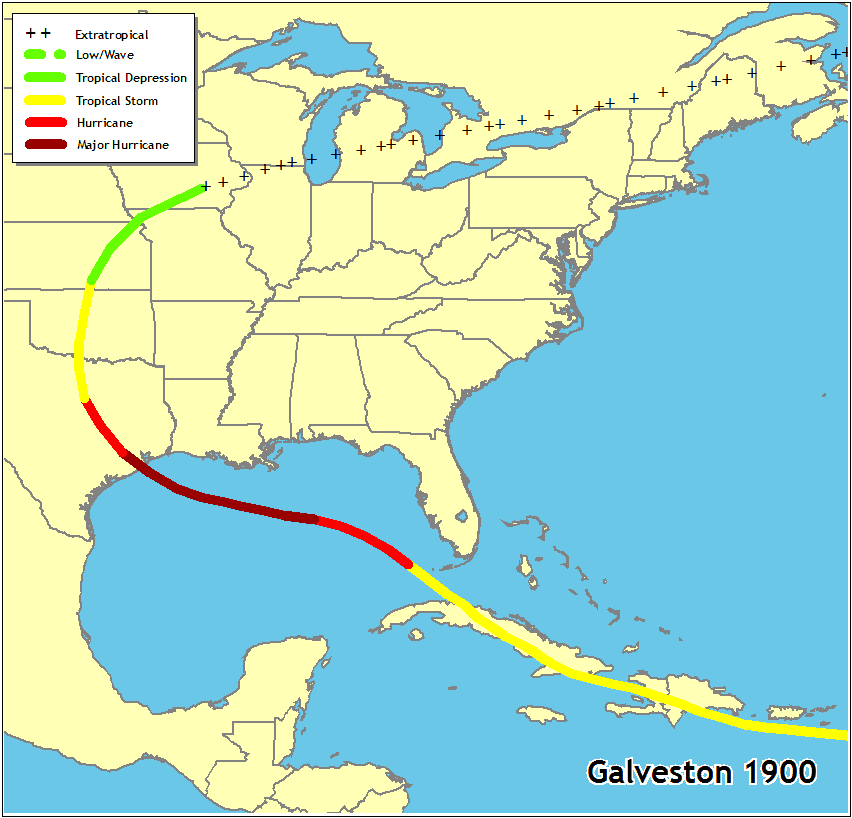
My favorite aspect of Larson’s portrayal of this event was the inclusion of the history of hurricanes from a meteorological perspective. I enjoyed learning what causes the waves of hurricanes and how hurricanes were viewed during this period. Maybe I’m a nerd, but I think this gives the story a more historical science approach and showed the depth of Larson’s research. However, Larson probably intended for me to gain some other message from the book than an appreciation for his research. Unlike my good friend, AJ, I’ll tackle the issue (eh? See what I did there? Football analogy for a football player). The hubris of the period astounds me, although I guess it shouldn’t because that’s been a consistent theme throughout this class. The national weather service was new and wanted to assert itself as an accurate weather forcaster, but continued to hinder its rise to respectability with inaccurate weather reports. So, when the Cubans tried to warn Americans of the storm’s path, the Americans were too arrogant to believe them. To borrow a phrase from Captain Gene Mauch in The Other Guys, “shake your *hands*, this *waving* contest is over.” If the Americans in the weather service put aside their egos and listened to the voices of experience, many lives may have been saved. I think the city would suffer substantial damage either way, but many lives could have been saved with an accurate warning. One aspect of the story that I don’t understand was the timing of the storm. Now we’re able to plot the path of the storm with satellites and all that good stuff, but shouldn’t they have been able to know the speed of the storm and figure out its trajectory from there? If the storm is moving at 15 mph and it hasn’t hit Florida, hasn’t hit Louisiana, so it must be headed further out and going for Houston area. I’d have to draw a map to better show my point, but somebody dropped the ball in my opinion.


Lastly, Larson humanized the book, which increased the story’s potency. Reading the scene of the first train trying to make it back to the island with references to the debris, especially a child’s toy, was quite sobering. Furthermore, Joseph’s dog miraculously staying with his family after the house fell apart only to jump back in the water out of duty to the missing member of the family. Animal deaths always get to me because of their innocence. Obviously Larson intended for that moment to be heart-wrenching and worded the story in such a way, but it works. Many of Larson’s stories were chosen for that purpose and makes this story more of a narrative than an academic work. Although, much like the Johnstown Flood by McCulloh, I think it’s an excellent source to use.


When We Finally Learned


Warning: Undefined variable $num in /home/shroutdo/public_html/courses/wp-content/plugins/single-categories/single_categories.php on line 126

Warning: Undefined variable $posts_num in /home/shroutdo/public_html/courses/wp-content/plugins/single-categories/single_categories.php on line 127

As the first post for the week I am going to try and address the focus question posed on our syllabus and see if Isaac’s Storm relates to much of the things we have been discussing throughout the semester regarding the lack of awareness and preparedness in the historical disasters we have been analyzing. The work Isaac’s Storm by Erik Larson ultimately discusses the meteorologist Isaac Cline and his role in predicting the Galveston Hurricane of 1900. The era that this event occurred in, the way people went about handling the situation and the eventual misjudged outcome, I believe explains a lot about where disaster preparedness was at the time and showed Americans what desperately needed to change. This was during a time where people believed that their technology had overcome the forces of nature and that their advancements superseded the dangers nature could throw at them. In their assessment, Galveston, Texas, a city on the calm waters of the gulf could not possibly be devastated by any storm as professional opinion generally agreed that the storm was not headed north. In the grand scheme of things, meteorology as a science was still controversial; differing opinions about the weather as god’s own will and forecasting were often debated.

Our preparedness was not where it should have been and where it went after this disaster. At the time, meteorologists did have modern weather instruments available to them and this technology was seen as enough. Isaac Cline worked for the weather bureau out of Galveston, and sent frequent telegrams to the headquarters in Washington, but official weather mapping wasn’t the struggle at the turn of the 20th century, it was predicting the track of the storm. Weather preparedness may not have been the issue at hand, the issue was prediction preparedness. Scientists did not have an accurate means to predict the track of a hurricane and this enabled Hurricane Isaac to tear apart Galveston. I wont get into the distrust of Cuban meteorologists because that issue is rather evident and ultimately, shows the lack of research and awareness on the Americans part. The Weather Bureau’s misguided prediction of the storm in Cuba and their inability to trust their meteorologists is a factor of this event that I do not want to get into. All that needs to be mentioned is that the Cubans had predicted hurricanes far more accurately than the newly formed U.S. weather bureau which was soon realized by all involved.

What are to be discussed are the awareness, alertness and preparedness of the citizens in Galveston. Just like the Johnstown Flood people everywhere disregarded signs of danger, believed they were immune from harm, choose to carry on their daily lives and truly showed the unpreparedness and cockiness of our American ideas at the time. People in Galveston went to work and carried out their day on Saturday, despite Isaac Cline’s warning. By 12:30, most of the streets were flooded from the storm surge. Even unsupervised children played in this dangerous current for most of the day until their own bodies filled the water. Still and even at that point, men were determined to deny the storm’s existence, and made every effort to get to work. The book mentions restaurants opened at Midway, at lunch hour men went out to their favorite restaurants, men laughed and joked about “frightened women”, and some people continued to commute into Galveston by train.

This leads me to compare Price’s statements about the Johnstown Flood and their inability to stay prepared and the unconscionable decisions of the citizens of Galveston. He writes in a previous blog, “Nevertheless, the preparation process in case of this scenario was appallingly mismanaged. This issue of acknowledgment versus preparation is vitally significant in not only the Johnstown flood, but in innumerable disasters throughout history. How could so much risk be universally accepted, yet not be addressed directly and seriously?” He asks the right question in that situation and I am forced to ask the same one now.  The fact that people were completely willing to deny the forces nature and carry on their day is rather shocking. We now know that technology fails us at times, and that is what people at the turn of the 20th were about to learn. It is unfortunate that they had to learn this lesson with the sacrifice of 10,000 lives but it goes to show the level of preparedness in American ideas at the time. The shaping of this event towards our disaster awareness almost needs to go without mentioning that it is so drastic. Something needed to be done yet; it took this storm to make that happen. The country learned that nature is not tamable on that day. We understood we needed to switch our focus to preparedness and damage control.

Acknowledgment vs. Preparation: The Johnstown Flood


Warning: Undefined variable $num in /home/shroutdo/public_html/courses/wp-content/plugins/single-categories/single_categories.php on line 126

Warning: Undefined variable $posts_num in /home/shroutdo/public_html/courses/wp-content/plugins/single-categories/single_categories.php on line 127

David McCullough’s casual approach to historical authenticity is questionable at some points. For example, it would be to difficult to verify the scene where Johnstown telegraph agent Frank Deckert read the telegraph concerning the South Fork Dam breaking and “laughed out loud” (87). Even though he bases his narrative more on speculation than exact eyewitness accounts, McCullough illustrates the important point in this scenario: Deckert had little concern about the dam breaking, as it was a rumor that he had heard dozens of times before. It is a trend that McCullough highlights: many people acknowledged the dangers that the South Fork Dam and Lake Conemaugh presented, saying that “not a house in town would be left standing” should the dam give way (158). Nevertheless, the preparation process in case of this scenario was appallingly mismanaged. This issue of acknowledgment versus preparation is vitally significant in not only the Johnstown flood, but in innumerable disasters throughout history. How could so much risk be universally accepted, yet not be addressed directly and seriously?

McCullough presents a compelling, if not simple, answer: diffusion of responsibility. As Alexandra noted earlier, McCullough notes in Chapters 4-6 how this lack of proper communication and responsibility contributed directly to damage and to deaths. The risk was so great and so imminent that the region’s residents simply presumed that efforts at inspection and communication were conducted by a higher body. Townsfolk assumed that local officials kept an eye on the dam, and local officials assumed that the South Fork Fishing and Hunting Club managed the dam’s affairs. No clear authority was established for the safety of the dam; therefore, the telegraph agents interpreted the warnings before the collapse as hogwash and rumor rather than official decree. Even railroad magnate Robert Pitcairn did not know if he should trust the transmissions, as he doubted Colonel Unger’s capabilities and “simply paid little attention to any reports…as they had been made perhaps nearly every year” (174). The “Crying Wolf” scenario plays a big role here, but leaves another gaping question: If Pitcairn (a SFFHC member) was untrustworthy of reports about the dam, why didn’t he make an effort to make the reports more reliable or improve the communication? He acknowledged the problem, but made no effort to ameliorate it. Such is the mistake – often fatal –  that McCullough emphasizes throughout his analysis of the flood.